What utilities do I need to set up when moving?
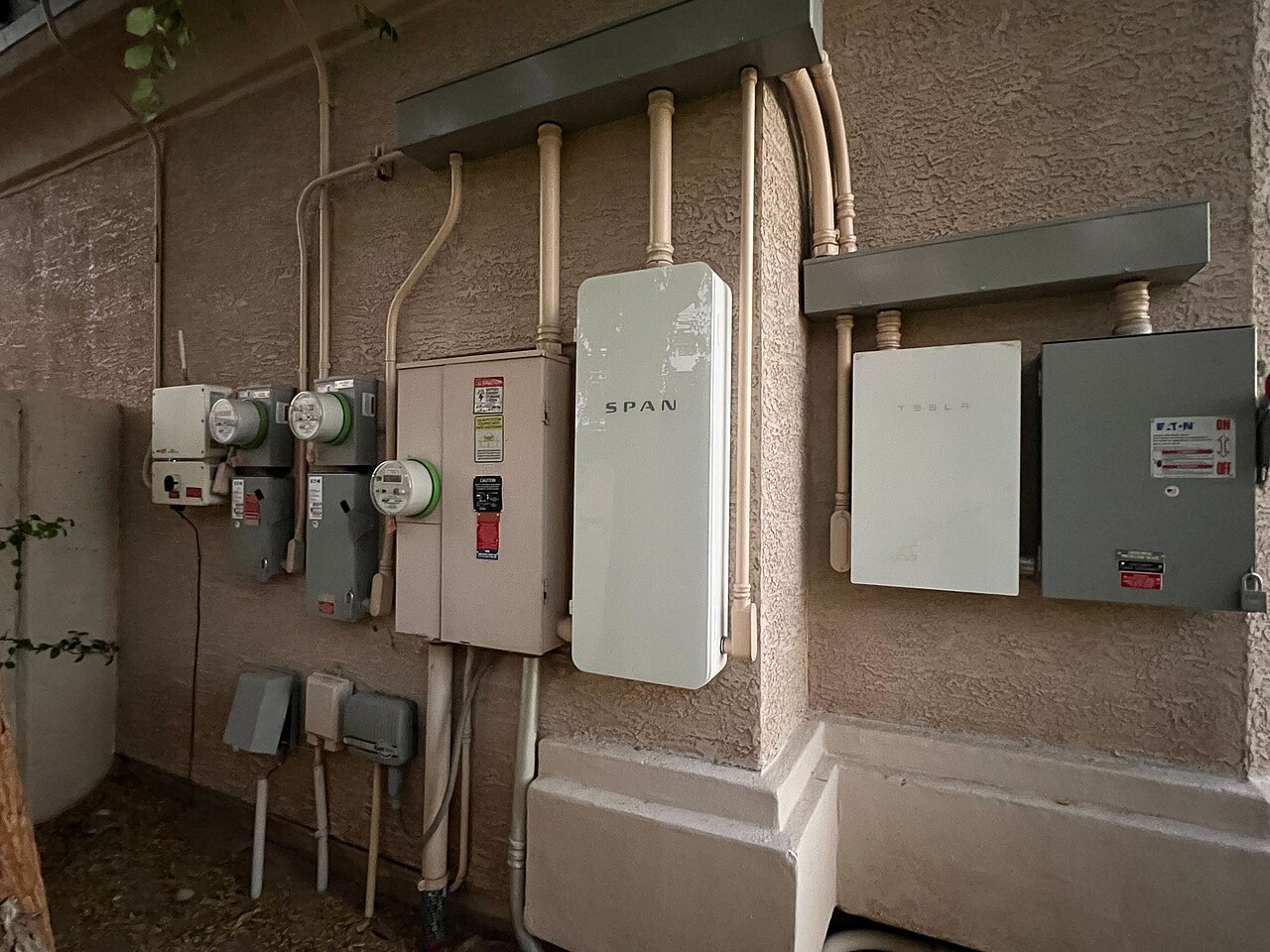
The complete list, with the renter-versus-owner differences and the Texas-specific notes that change which boxes you actually have to tick.
The core six
- Electricity. Always your responsibility. In deregulated Texas markets you choose your retail electric provider (REP) and the underlying transmission utility delivers the power.
- Gas. Only if the home has gas appliances. About 35% of Texas new-construction homes built since 2020 are all-electric — check the stove, water heater, and furnace.
- Water and sewer. Almost always run by the city, billed together. In many TX multi-family buildings, included in rent — read your lease.
- Trash and recycling. Bundled with water in most cities. Rural areas use a private hauler — you pick.
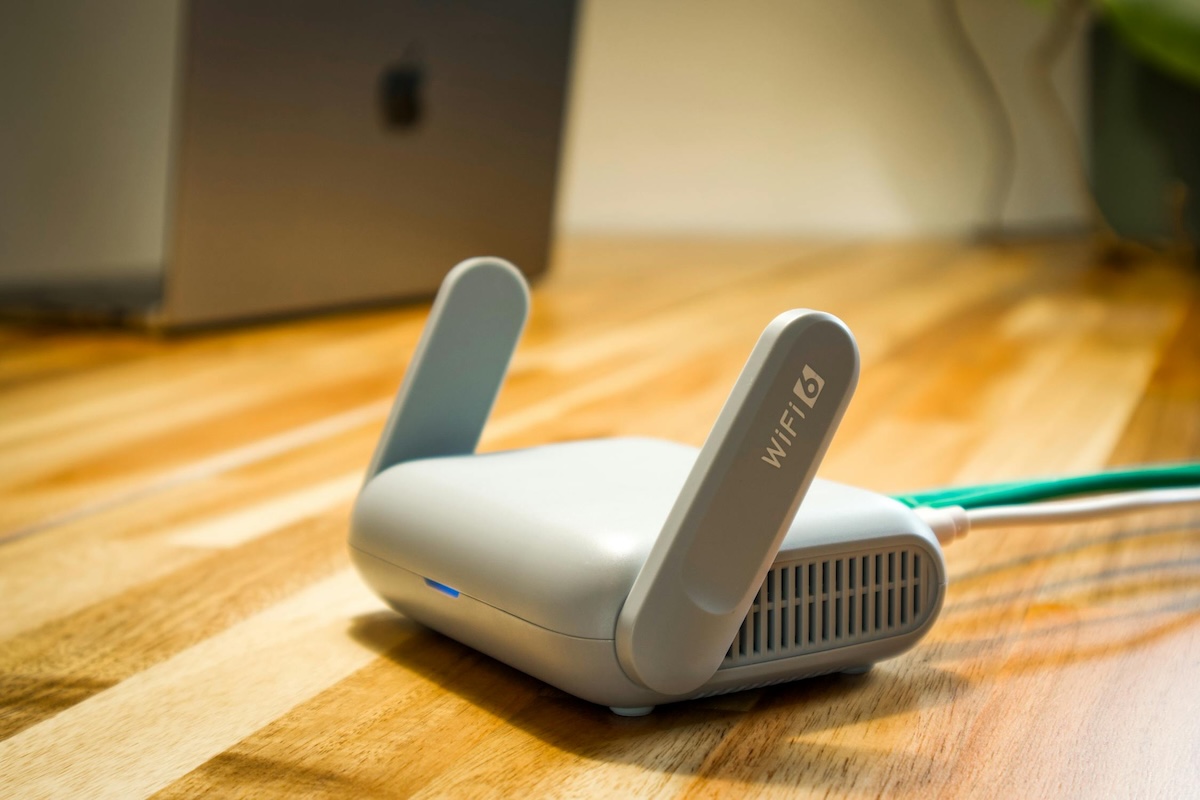
- Internet. Not legally a utility, but treat it like one: schedule install windows two weeks ahead.
The optional ones most movers miss
- Solar net-metering setup. If the home has rooftop solar, you must register the system with the REP within 30 days of move-in to get credit for the power you generate.
- Home security monitoring. Most contracts are address-bound — transferring is faster than starting fresh.
- Propane (rural). Tank service requires a meter-set visit, just like natural gas.
- Mail forwarding. USPS Change of Address takes 7–10 business days to fully propagate — submit the moment you sign the lease.
Renter vs. owner
Most TX rental leases bundle water, sewer, and trash into rent. Some include gas. Almost none include electricity or internet. Read your lease line by line — if it doesn’t say “included” for that line item, assume it’s on you.
Frequently asked questions
What utilities do I need when moving into an apartment?
Electricity and internet are almost always your responsibility. Water, sewer, trash, and sometimes gas are commonly bundled into rent in Texas multi-family. Check your lease — line by line — before scheduling anything.
What utilities do I need when moving into a house?
All six: electricity, gas (if the home has gas appliances), water, sewer, trash, and internet. Homeowners should also handle HOA utility rules, solar net-metering setup if applicable, and mail forwarding.
Do I need to set up gas if my home is all-electric?
No. About 35% of new Texas homes built since 2020 are all-electric. Confirm by checking the appliances: if the stove, water heater, and furnace are all electric, you can skip gas entirely.
Is internet considered a utility?
Legally, no — but practically, yes. Schedule it as part of your utility setup. Install windows fill up fast, and most movers wait too long and lose a week of remote-work productivity.
Images via Wikimedia Commons (Residential service entrance, CC BY-SA 4.0; Modern Wi-Fi 6 router, CC BY-SA 4.0; Hand truck with cartons, CC BY-SA 4.0).