What 'all bills paid' actually means in a Texas apartment lease
Out-of-state renters move into Texas apartments and routinely misread the utility clause in their lease. Here's the decoder ring.
The five lease patterns
- "All bills paid." Electricity, water, sewer, trash usually included. Rarely includes internet, cable, gas, renter's insurance. Rent is higher to absorb the utilities.
- "Water and trash paid." Water/sewer/trash included; electricity and internet on you. Most common Texas pattern.
- "RUBS billing." Building has a master meter; landlord sends you a monthly invoice for your allocated share of the master bill, calculated by a formula. Common in apartments built since 2010.
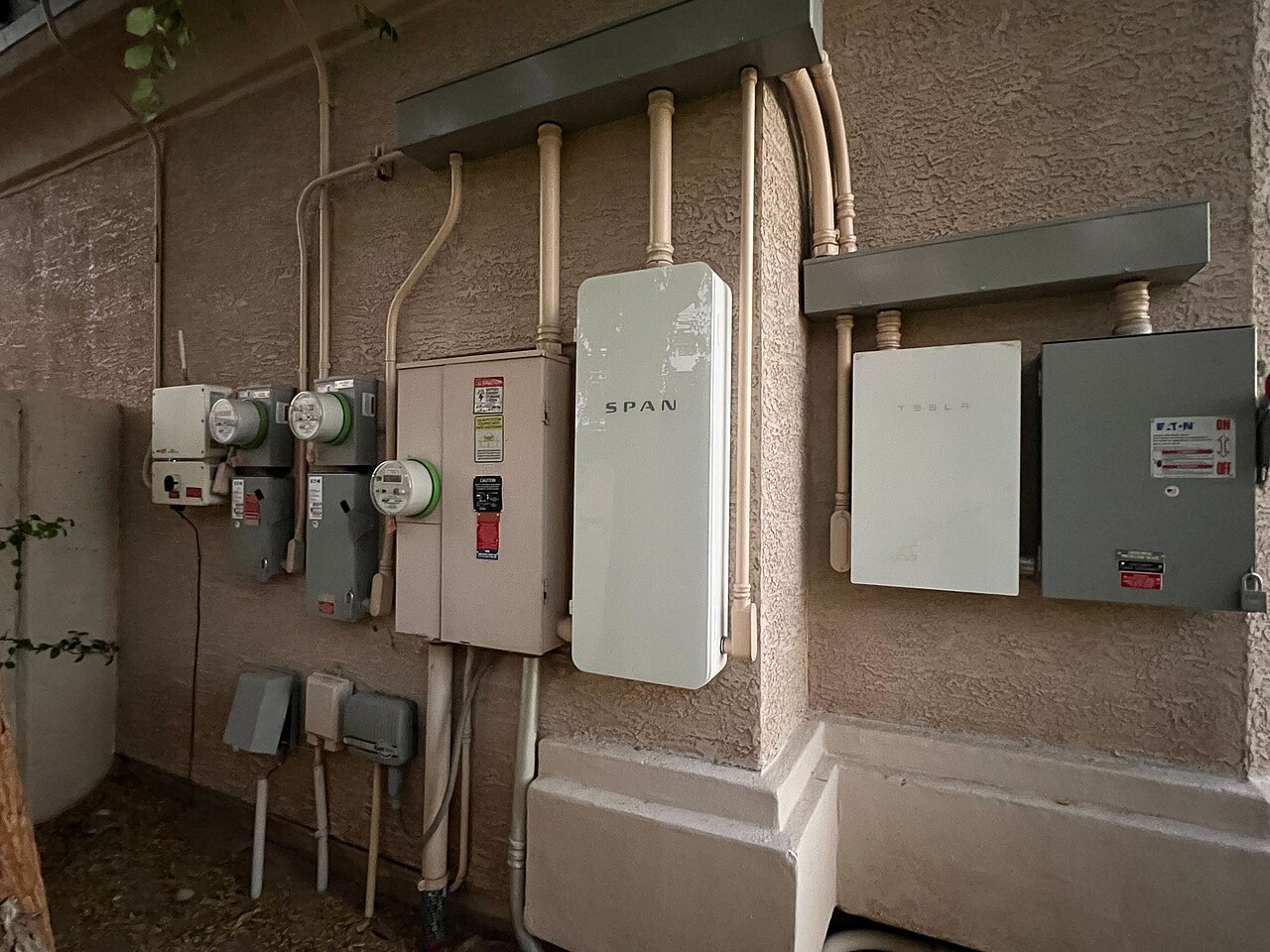
- "Sub-metered." Your unit has its own meter; the landlord reads it and bills you for actual usage at the rate they pay the utility. Required to match the utility's tariff under PUC rules for apartments built after 1996.
- "Direct-billed." You set up your own account with the utility (REP, city water, etc.) and pay them directly. Most common for electricity.
The RUBS trap (and how it actually shakes out)
RUBS feels unfair because you pay your allocated share regardless of your actual usage. In practice, the math usually comes out within 10% of what you'd pay on a direct account — landlords don't make money on RUBS, they just simplify operations. The real downside is the conservation incentive: if your roommate runs the dishwasher half-empty, you pay for it.
What "preferred provider" actually means
Many TX apartments suggest a "preferred" REP at move-in. That provider pays the property a referral fee. You are not required to use them. Texas law gives you free choice of any REP serving your ESID. Apartment-preferred plans run 10–20% above market on average. Always shop your own ESID on a comparison site before signing up.
Verifying the math
If your electric bill seems off relative to your usage, request the landlord's master account billing record (you have a right to it under most lease forms). Compare the rate they're paying to the rate they're charging you. If the difference is more than the published TX PUC pass-through allowance, push back in writing.
The Texas Property Code piece
Tenant rights around utility billing are codified in Texas Property Code Chapter 92 and PUC Substantive Rules §25.107. The headline rules: landlords can't shut off utilities to force a move-out (it's a class C misdemeanor), can't mark up sub-metered electricity above the tariff rate in post-1996 buildings, and must disclose master-metering in the lease. Save your lease, save your bills.
Frequently asked questions
What does 'all bills paid' mean in a Texas apartment?
Usually it means electricity, water, sewer, and trash are included in rent. It rarely includes internet, cable, gas (in apartments with gas appliances), or renter's insurance. The exact list is in the utility-responsibility clause of your lease — read it carefully before signing.
What is RUBS and is it legal in Texas?
RUBS = Ratio Utility Billing System. The landlord receives a single utility bill for the whole building and divides it among tenants based on a formula (square footage, occupants, fixtures). Yes, it's legal in Texas. The catch: you pay your allocated share whether you used a lot or a little water that month, which removes any conservation incentive.
Can a Texas landlord mark up my electricity bill?
Generally no. Sub-metered electricity must be billed at the actual rate the landlord pays — markups are restricted under PUC of Texas rules for apartments built after 1996. Older buildings have looser rules. If your bill seems high relative to your usage, request the master account billing record.
What if my lease says 'water and trash paid' but not electricity?
You're responsible for setting up your own electricity account with a TX REP. The landlord can't force you to use a specific 'preferred provider' — you can shop any REP serving your ESID. Apartment-preferred plans typically run 10–20% above market.
Images via Wikimedia Commons (Apartment mailboxes, CC BY-SA 4.0; Cottrell apartment building, CC BY-SA 4.0 / DPLA; Residential service entrance, CC BY-SA 4.0).