Setting up utilities in Texas's regulated (non-ERCOT-choice) cities
Five million Texans don't shop for electricity. Here's how setup actually works in the four big regulated territories.
Austin Energy (City of Austin)
Austin Energy is a department of the City of Austin — a city-owned municipal utility. To set up service, you create an account at austinenergy.com or call 512-494-9400. You'll need ID, lease/deed, and a deposit if your credit is thin (waivable with a Letter of Guarantee from a previous utility). Rates are set annually by the Austin City Council. Solar net-metering, time-of-use plans, and EV-friendly tariffs are all offered. Service is bundled with City of Austin water and trash on a single combined bill.
CPS Energy (San Antonio and most of Bexar County)
CPS Energy is the largest municipally-owned utility in the U.S. by customer count, owned by the City of San Antonio. Setup is at cpsenergy.com or 210-353-2222. CPS provides both electricity and natural gas (most other Texas munis don't do gas), so a single account covers both. Rates are set by the CPS board with city-council oversight. Deposits run $50–$300 depending on credit, waivable with autopay enrollment plus prior on-time history.
El Paso Electric (El Paso plus parts of New Mexico)
El Paso Electric is a regulated investor-owned utility — neither a muni nor a competitive REP. Setup is at epelectric.com or 915-543-5970. Service area includes the City of El Paso and surrounding Texas counties plus parts of southern New Mexico (different rates apply). The PUC of Texas approves rate changes; the New Mexico PRC approves changes on the New Mexico side. Solar net-metering is offered with caps. No electricity shopping — they're the only retail option.
Entergy Texas (Beaumont, Lufkin, Conroe, Southeast Texas)
Entergy Texas is a regulated investor-owned utility, part of the larger Entergy holding company that also serves Louisiana, Mississippi, and Arkansas. Setup is at entergytexas.com or 800-368-3749. Service area is generally east of Houston up through the Big Thicket region. Like El Paso Electric, rates are filed with and approved by the PUC of Texas. Storm response is the operational concern in this territory — Hurricane Harvey, Beryl, and other Gulf systems regularly disrupt service.
What to do when 'pick a plan' doesn't apply
If you're moving to one of these four territories, ignore every "best Texas electricity plan" article you read — they don't apply to you. Your job is simpler:
- Identify your utility (it's address-based — there's no choice).
- Open the account online or by phone with ID, lease/deed, SSN/ITIN, and a deposit if required.
- Enroll in autopay if it waives the deposit.
- Set up paper-mail forwarding so you don't miss the first bill while the lease moves around.
- For everything other than electricity (water, gas, internet), the deregulated playbook still applies — see the utilities pillar.
Cooperatives — the fifth category
Beyond the four big regulated territories, dozens of rural electric cooperatives serve roughly 2 million Texans across the state. Pedernales Electric Cooperative is the largest (Hill Country and Highland Lakes). Co-ops are member-owned and generally don't compete for retail customers — your address determines your co-op. Setup is similar: account at the co-op's website with ID, address, and a small membership fee.

Frequently asked questions
Why can't I pick my electricity provider in Austin or San Antonio?
Austin and San Antonio kept their city-owned municipal utilities (Austin Energy and CPS Energy) when Texas deregulated in 2002. Munis opted out of deregulation, which is allowed under Texas law. Their rates are set by the city council, not by a market.
Is Austin Energy or CPS Energy more expensive than deregulated REPs?
It depends. Austin Energy and CPS Energy rates are usually competitive with the median deregulated fixed-rate plan, sometimes better. The big difference is stability: muni rates change once a year on a published schedule rather than fluctuating with the wholesale market.
How do I set up electricity in El Paso?
Call El Paso Electric or sign up online at epelectric.com. You'll need your address, ID, SSN/ITIN for the credit pull, and a deposit if your credit is thin. El Paso Electric is a regulated investor-owned utility, so you don't shop — they're the only retail option.
What about Entergy Texas in Beaumont?
Same model: regulated investor-owned, no shopping. Sign up directly at entergytexas.com. Service area covers Beaumont, Lufkin, Conroe, and parts of Southeast Texas. Rates are filed with and approved by the Public Utility Commission of Texas.
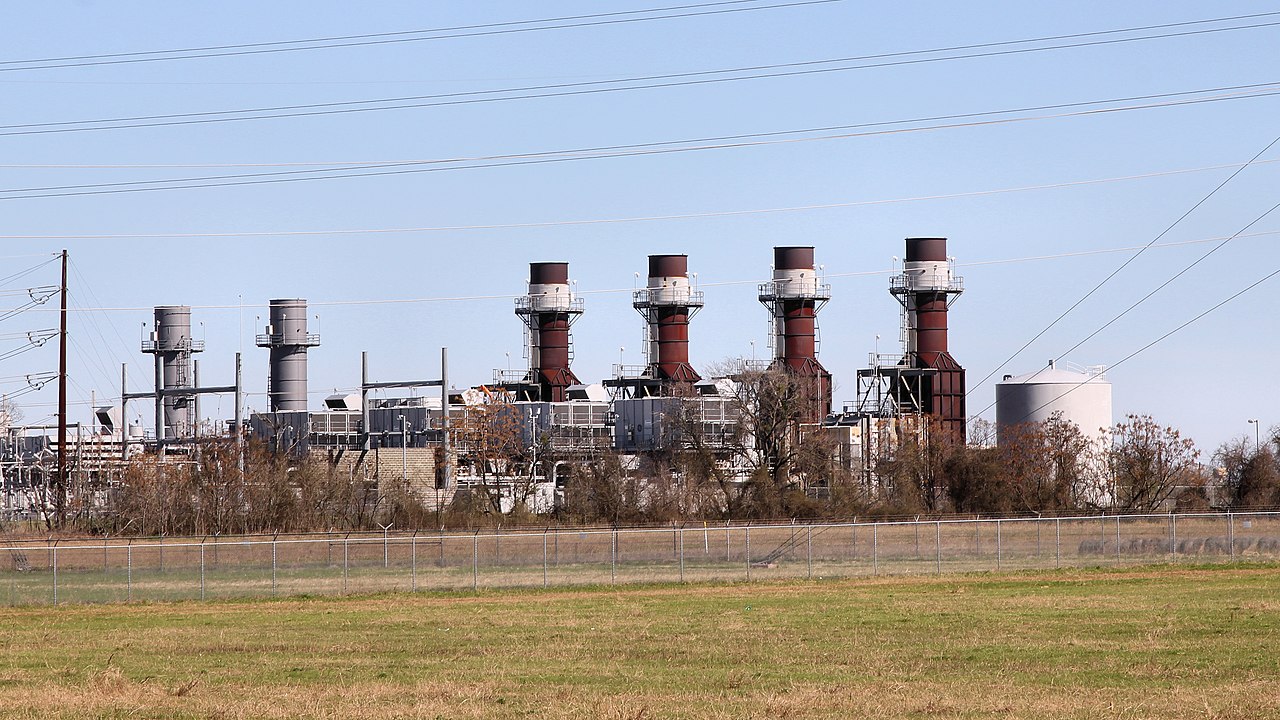
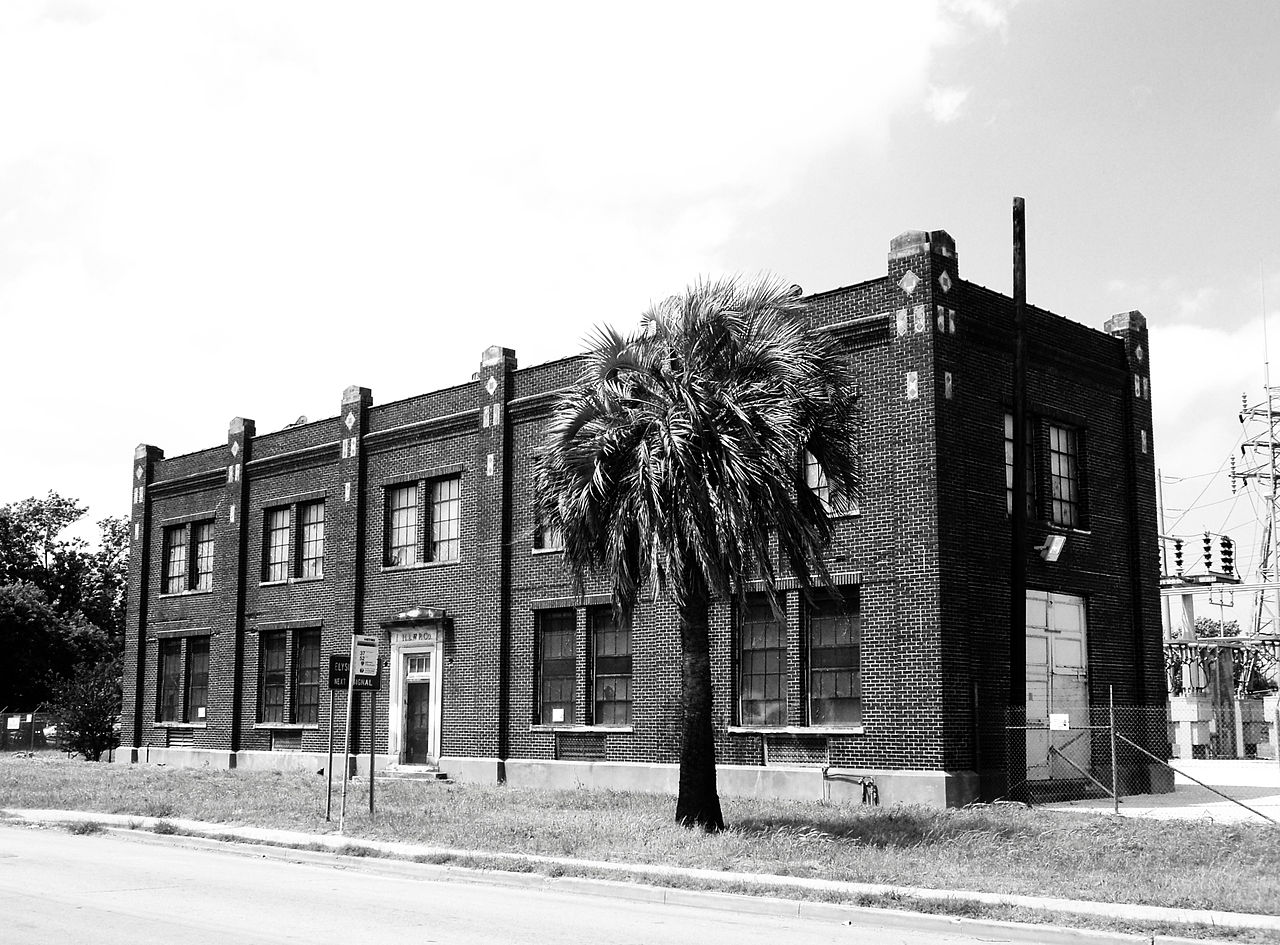
Images via Wikimedia Commons (Sand Hill Energy Center, CC BY-SA 4.0; CPS Energy plant, CC BY-SA 3.0; Houston substation, CC BY 2.0).