Texas winter storm readiness — what every newcomer needs to know about ERCOT
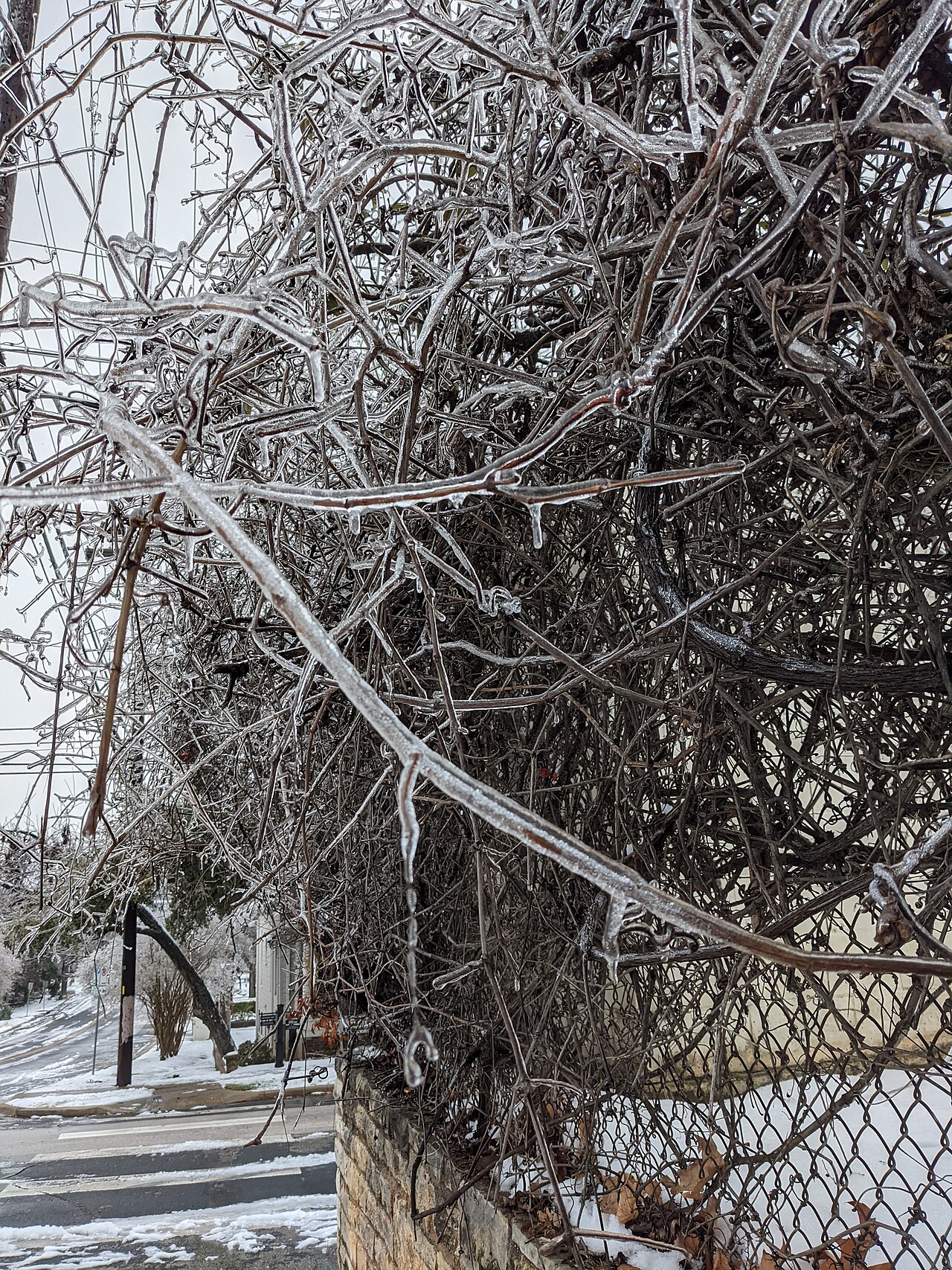
If you're moving to Texas from a state where the grid simply works, this is the chapter you skip at your peril.
February 2021, in one paragraph
An Arctic-air mass dropped Texas to single digits for several days running. Natural-gas wellheads froze. Gas pipeline compressor stations froze. Wind turbines froze. A nuclear plant intake froze. ERCOT, the grid operator, faced a generation shortfall vast enough that it had to choose between rotating blackouts and a complete grid collapse that could have taken weeks to recover from. They chose rotating blackouts. The blackouts lasted up to 4+ days in some areas. Wholesale electricity prices hit ERCOT's then-$9,000/MWh cap. Hundreds died. Variable-rate customers received bills in the thousands of dollars.
What's been fixed
- Weatherization. HB 1500 (2021) mandated cold-weather readiness inspections for power plants and gas infrastructure. Plants now insulate intakes, heat-trace fuel lines, and stockpile fuel.
- Capacity market. Texas added a backstop capacity payment to keep dispatchable generation around even when energy-only revenues don't justify it.
- Wholesale price reform. The market design changes made repeats of the 2021 price spike less likely (though not impossible).
- Pipeline-power coupling. Critical-infrastructure designations were tightened so gas-pipeline compressors don't get blacked out in a load-shed event, which is what amplified the 2021 cascade.
What hasn't been fixed
- Reserve margins. Texas's load growth (data centers, EVs, population) is outpacing new generation. Summer reserve margins are tight. Winter reserve margins are tighter than they look on paper because gas dispatch is weather-coupled.
- Interstate isolation. ERCOT remains intentionally separate from the Eastern and Western Interconnections to avoid federal jurisdiction. That means we can't import a meaningful amount of power from neighbors during emergencies.
- Variable-rate plans still exist. Reform didn't ban them. Customers still get sold "lowest rate" plans that pass through wholesale prices.
Plan-type matters more than people think
A fixed-rate 12-month plan costs maybe 0.5–1.5¢/kWh more than a variable-rate or index plan in a normal year. On 12,000 kWh annual usage that's $60–$180. The downside protection is the entire potential of a $3,000–$5,000 single bad month. The math is not close. Pick fixed-rate.
The 72-hour home checklist
- Foam-sleeve insulation on every exposed water pipe in the garage, attic, and exterior walls.
- Know where your home's main water shutoff is — and your gas shutoff.
- When forecast lows hit ~25°F: drip every faucet at a pencil-lead stream, open under-sink cabinets so warm air reaches the supply lines.
- Fully charge phones, battery banks, and any backup power before the front arrives.
- Fill bathtubs with water (for flushing and washing if water service drops).
- Keep 72 hours of non-perishable food.
- Have one non-electric heat option (propane indoor-rated heater with CO detector, or a fireplace).
What to do if your plan resets to wholesale during an event
If you find yourself on a variable-rate or index plan during a wholesale-price spike, you can't switch fast enough to avoid the spike — switching takes 1–3 business days. The damage is done. Switch to fixed-rate now, before the next event, not during it.
Frequently asked questions
What happened during the Texas February 2021 winter storm?
An Arctic-air mass dropped temperatures across Texas to single digits for several days. Natural-gas wellheads, gas pipelines, wind turbines, and a nuclear plant intake all froze or de-rated simultaneously. ERCOT was forced into rotating blackouts that lasted up to 4+ days in some areas. Wholesale electricity prices hit the $9,000/MWh cap, producing bills in the thousands for variable-rate customers.
Has the Texas grid been fixed since 2021?
Partially. HB 1500 (2021) mandated weatherization for natural-gas and electric infrastructure, raised the wholesale price cap reform, and created a backup capacity market. Plants are inspected for cold-weather readiness. Reserve margins have improved. But load growth (data centers, EVs, population growth) keeps reserves tight, and the fundamental gas-pipeline-coupling problem isn't fully resolved.
What kind of electricity plan protects me from winter storms?
Fixed-rate plans (12 or 24 months) are fully insulated from wholesale market spikes. Variable-rate, index, and 'wholesale-pass-through' plans are not. Even if a fixed-rate plan costs slightly more in normal months, the protection against a single $5,000 month justifies it.
What should I do at home before a Texas winter storm?
Insulate exposed pipes (foam sleeves), open cabinet doors under sinks during freeze events, drip faucets at a pencil-lead stream when temps go below ~25°F, fully charge phones and battery banks, fill bathtubs with water, have non-perishable food for 72 hours, and know where your water shutoff is.
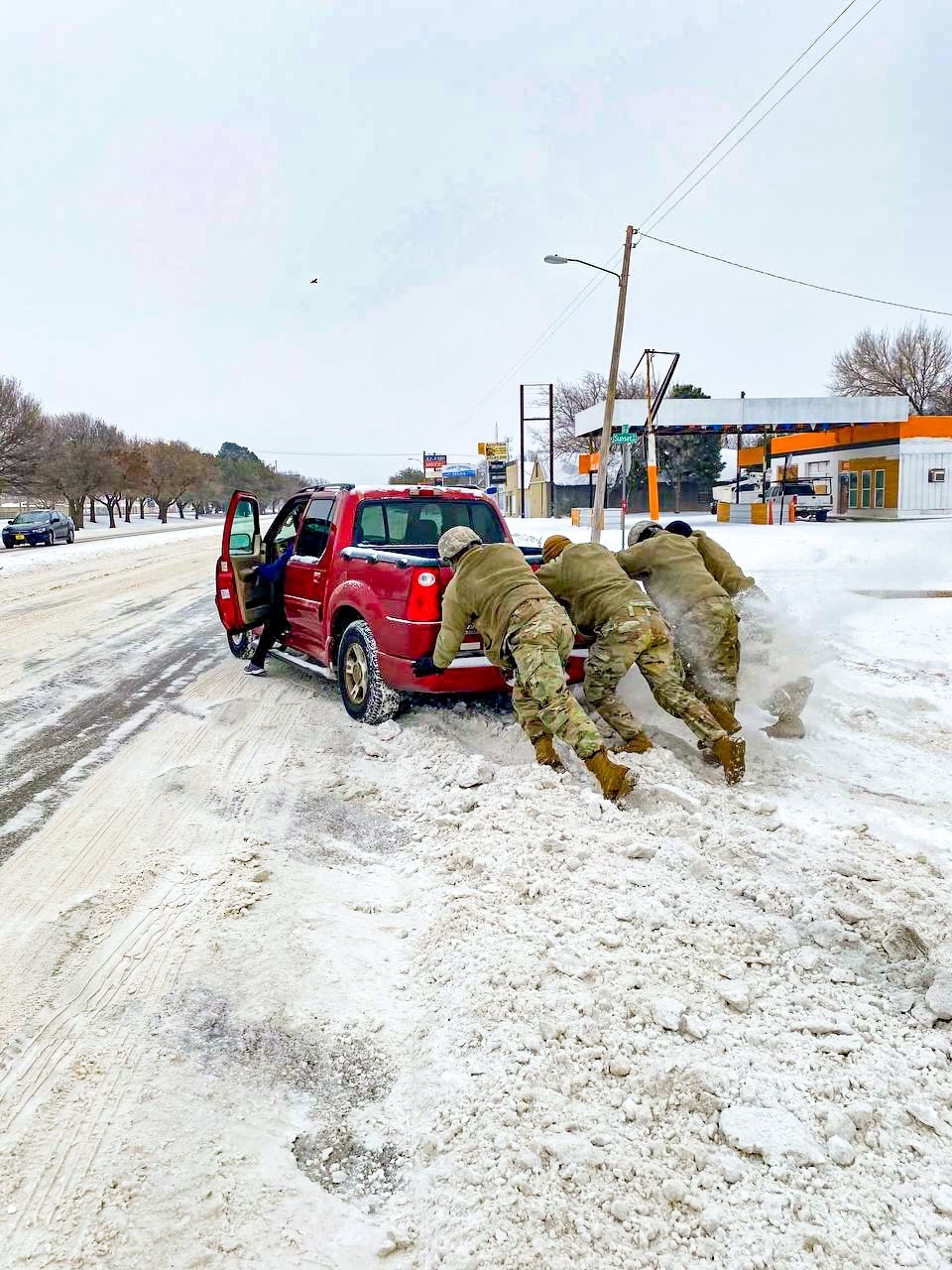
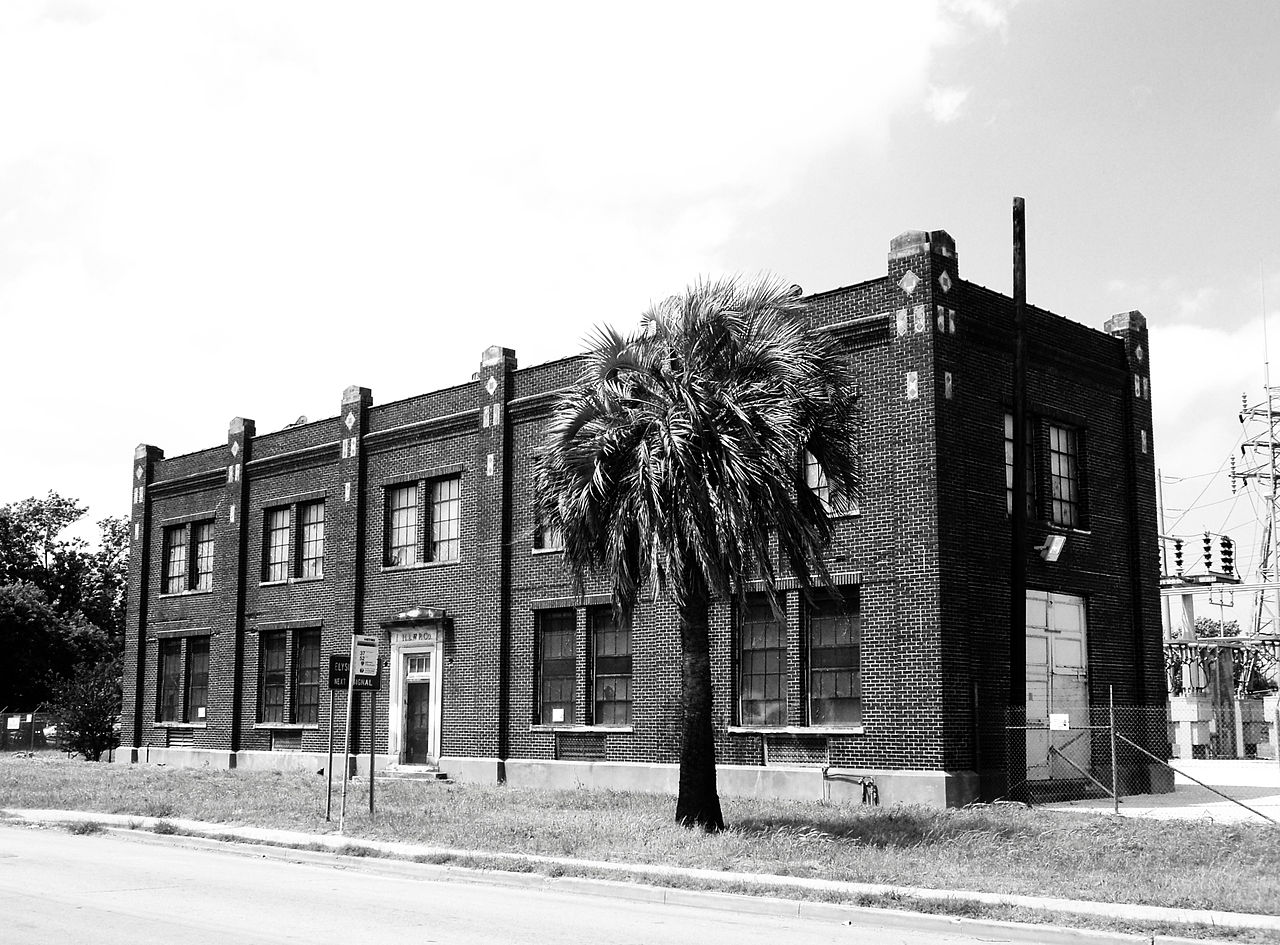
Images via Wikimedia Commons (Austin ice storm, CC BY-SA 4.0; Texas National Guard car-in-snow, public domain; Houston substation, CC BY 2.0).